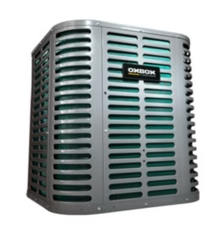
The air conditioning (AC) system is a critical appliance in most homes and businesses, providing relief during hot weather. Among its key components is the cooling condenser, responsible for removing heat from the indoor environment and releasing it outside. Understanding how an AC cooling condenser works, its maintenance requirements, and factors to consider when purchasing or replacing one can help ensure the optimal performance of your cooling system.
1. What is an AC Cooling Condenser?
The AC cooling condenser is part of the outdoor unit of an air conditioning system. Its primary role is to release the heat absorbed from your indoor environment. This process is integral to the cooling cycle, ensuring a comfortable indoor temperature.
Key Components of the Cooling Condenser
- Condenser Coil: A network of tubes made from copper or aluminum that facilitates heat transfer.
- Condenser Fan: Assists in expelling the heat by blowing air over the condenser coil.
- Compressor: Works with the condenser to compress refrigerant and regulate its flow.
- Protective Casing: Houses all components, protecting them from outdoor elements such as dirt, debris, and weather conditions.
2. How Does an AC Cooling Condenser Work?
The cooling condenser functions as part of the larger refrigeration cycle. Here’s how it operates:
- Refrigerant Compression: The refrigerant enters the compressor as a low-pressure gas. The compressor increases its pressure and temperature.
- Heat Transfer in the Condenser: The high-pressure refrigerant flows into the condenser coil, where it releases heat to the surrounding outdoor air.
- Fan Assistance: The condenser fan enhances heat dissipation by blowing air over the coil.
- Refrigerant Conversion: As the refrigerant loses heat, it condenses into a high-pressure liquid and flows back to the indoor evaporator coil, where the cooling process continues.
3. Importance of the Cooling Condenser in an AC System
The condenser is a critical component of the cooling system. Without it, the air conditioning system cannot expel heat, making it impossible to maintain a cool indoor environment.
Benefits of a Well-Functioning Condenser
- Efficient Cooling: The condenser ensures effective heat removal, allowing the AC system to cool the air efficiently.
- Energy Savings: An optimized condenser reduces the workload on the compressor, lowering energy consumption.
- Extended System Lifespan: Proper condenser function minimizes wear and tear on other components, prolonging the life of the entire AC system.
4. Signs of a Malfunctioning Cooling Condenser
A faulty condenser can lead to inefficient cooling or complete AC system failure. Common signs of condenser issues include:
- Reduced Cooling: If your AC isn’t cooling your space effectively, the condenser coil or fan might be malfunctioning.
- High Energy Bills: A failing condenser forces the AC to work harder, increasing energy consumption.
- Unusual Noises: Rattling, buzzing, or clanging sounds from the outdoor unit may indicate loose or damaged condenser parts.
- Refrigerant Leaks: Pooled liquid or a drop in cooling efficiency may suggest a refrigerant leak in the condenser coil.
- Frequent Overheating: If the AC system shuts down frequently, the condenser may not be effectively releasing heat.
5. Maintaining Your AC Cooling Condenser
Regular maintenance of the cooling condenser is essential for the efficient operation of your air conditioning system.
a. Cleaning the Condenser Unit
- Remove debris such as leaves, dirt, and grass clippings from the area around the condenser.
- Clean the condenser coil using a soft brush or a specialized coil cleaner to prevent blockages.
b. Checking the Fan and Motor
Inspect the fan blades and motor for signs of wear or damage. Ensure that the fan operates smoothly and without obstruction.
c. Clearing the Surrounding Area
Maintain at least two feet of clearance around the outdoor unit to ensure proper airflow. Avoid placing objects or plants too close to the condenser.
d. Scheduling Professional Maintenance
Have a licensed technician inspect and service your cooling condenser annually. They can identify potential issues early and perform necessary repairs.
6. Replacing or Purchasing an AC Cooling Condenser
a. When to Replace a Cooling Condenser
- Frequent Repairs: If your condenser requires constant repairs, replacement may be more cost-effective.
- Age of the Unit: Most condensers last 10-15 years. If your condenser is nearing the end of its lifespan, it’s worth considering a replacement.
- Energy Inefficiency: Older models may consume more energy compared to modern, energy-efficient options.
b. Factors to Consider When Buying a New Condenser
- Energy Efficiency: Look for models with a high SEER (Seasonal Energy Efficiency Ratio) rating to reduce energy consumption.
- Size and Capacity: Ensure the condenser’s cooling capacity matches your home’s requirements. A unit that is too large or too small will be inefficient.
- Compatibility: Verify that the new condenser is compatible with your existing AC system.
- Durability: Choose a model made from high-quality materials to withstand outdoor conditions.
- Warranty: Opt for a condenser with a good warranty for added peace of mind.
7. Benefits of Investing in a High-Quality Cooling Condenser
- Improved Comfort: A high-performing condenser ensures consistent indoor cooling.
- Reduced Maintenance Costs: High-quality condensers require less frequent repairs.
- Lower Energy Bills: Modern condensers with advanced features consume less energy.
- Eco-Friendly Operation: Energy-efficient models minimize environmental impact.
8. Common Mistakes to Avoid
- Neglecting Maintenance: Skipping routine cleaning or inspections can lead to poor performance and costly repairs.
- DIY Repairs: Attempting to fix condenser issues without proper knowledge or tools can cause further damage.
- Improper Sizing: Installing a condenser that is too large or too small can lead to inefficiency and increased energy use.
- Ignoring Airflow: Failing to maintain proper clearance around the condenser can hinder heat dissipation.
9. Conclusion
The AC cooling condenser is a vital component of any air conditioning system, playing a central role in the heat exchange process. Proper care and maintenance of the condenser can enhance cooling efficiency, lower energy costs, and prolong the lifespan of your AC system. When replacing or purchasing a new condenser, consider factors such as energy efficiency, size, and compatibility to ensure optimal performance. By investing in a well-maintained condenser, you can enjoy a comfortable indoor environment while reducing energy consumption and maintenance costs.