Variable Message Signs (VMS) have become an essential tool for managing traffic, improving safety, and enhancing communication across various settings. From highways to urban streets and construction zones, these electronic signs are pivotal in delivering real-time information to motorists and pedestrians. Their versatility, efficiency, and ability to adapt to dynamic conditions make them indispensable in modern traffic management systems.
What Are Variable Message Signs?
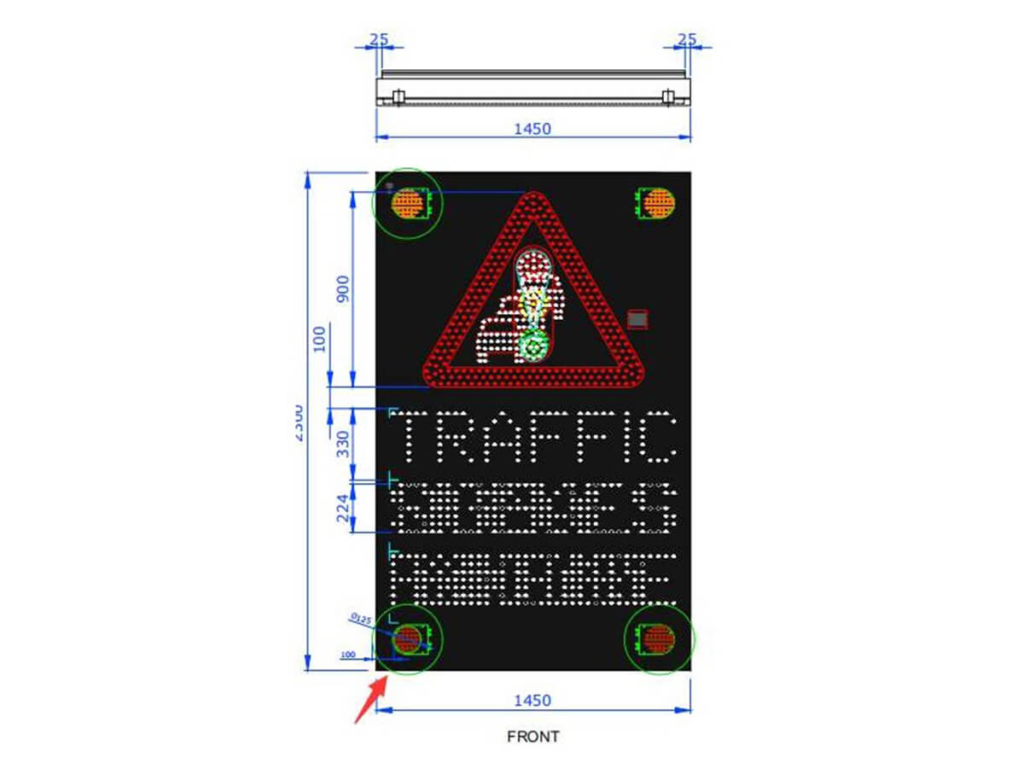
Variable Message Signs, often referred to as dynamic message signs, are electronic boards capable of displaying customizable messages. These signs use LED, LCD, or flip-disk technology to present text, graphics, or a combination of both. Controlled remotely, VMS can convey critical updates, such as traffic conditions, detours, road closures, weather warnings, or public service announcements.
VMS are most commonly used in transportation infrastructure, but their applications extend beyond roads. They are widely deployed in event management, parking facilities, airports, industrial sites, and even retail spaces to communicate timely information.
How Variable Message Signs Work
The operation of VMS involves a centralized control system that communicates with individual signs. The system receives input from various sources, including:
- Traffic Sensors: These detect congestion, accidents, or other disruptions on the road.
- Weather Monitoring Systems: Information about adverse weather conditions, such as fog, rain, or icy roads, is relayed to the signs.
- Incident Reports: Emergency services or traffic authorities can update the signs to warn about accidents, fires, or other hazards.
- User Input: Operators can manually program messages based on real-time needs.
Messages displayed on VMS are typically concise, focusing on clarity to ensure they can be quickly read and understood by drivers. For instance, messages like “ROAD CLOSED AHEAD – USE ALT ROUTE” or “ACCIDENT 2 MILES AHEAD – EXPECT DELAYS” are designed to prompt immediate action.
Applications of Variable Message Signs
1. Traffic Management
The most common application of VMS is in traffic management. On highways, they provide live updates on travel times, lane closures, and incidents. In urban areas, VMS can guide drivers to available parking spaces or notify them of temporary restrictions, such as construction zones or pedestrian-only streets.
2. Emergency Response
During emergencies, VMS play a crucial role in alerting the public. Whether it’s a natural disaster like a hurricane or a man-made incident such as a chemical spill, these signs deliver life-saving information to those in the vicinity.
3. Construction and Work Zones
In construction zones, VMS are vital for maintaining safety. They warn drivers of reduced speed limits, lane shifts, or the presence of workers on the road. By improving situational awareness, these signs help prevent accidents in high-risk areas.
4. Event Management
For concerts, sports events, or festivals, VMS can direct traffic, manage parking, and communicate entry or exit points. They ensure smooth crowd management and enhance the overall event experience.
5. Public Awareness Campaigns
VMS can be used for public education campaigns, such as reminding drivers to wear seatbelts, avoid drunk driving, or stay off their phones while driving. These signs serve as a powerful medium for promoting road safety.
Benefits of Variable Message Signs
1. Real-Time Communication
VMS provide instant updates, ensuring that drivers and pedestrians receive the most accurate and relevant information. This real-time communication helps reduce confusion and enhances decision-making on the road.
2. Improved Safety
By alerting motorists to potential hazards or changes in traffic conditions, VMS significantly reduce the likelihood of accidents. Their ability to warn drivers ahead of time can save lives, especially in critical situations.
3. Traffic Flow Optimization
By guiding drivers to alternative routes or available parking spaces, VMS help alleviate congestion. This optimization improves overall traffic flow and reduces travel times.
4. Cost-Effectiveness
While the initial investment in VMS may be high, the long-term benefits outweigh the costs. By preventing accidents, reducing congestion, and minimizing delays, these signs contribute to significant economic savings.
5. Environmental Impact
Efficient traffic management through VMS reduces idling time and fuel consumption, thereby lowering greenhouse gas emissions. This aligns with global efforts to combat climate change.
Innovations in Variable Message Signs
Technological advancements have made VMS more versatile and user-friendly. Features like solar power, wireless connectivity, and integration with smart city systems have enhanced their functionality. Some VMS now incorporate artificial intelligence to predict traffic patterns and display proactive messages.
Another emerging trend is the use of full-color VMS, which allow for more complex graphics and animations. These signs are particularly useful in urban areas where visual appeal and clear communication are equally important.
Conclusion
Variable Message Signs are a cornerstone of modern traffic management and public communication. Their ability to adapt to changing conditions, convey real-time information, and enhance safety makes them invaluable across various sectors. As technology continues to evolve, the potential applications and effectiveness of VMS are likely to expand, shaping the future of transportation and public safety.