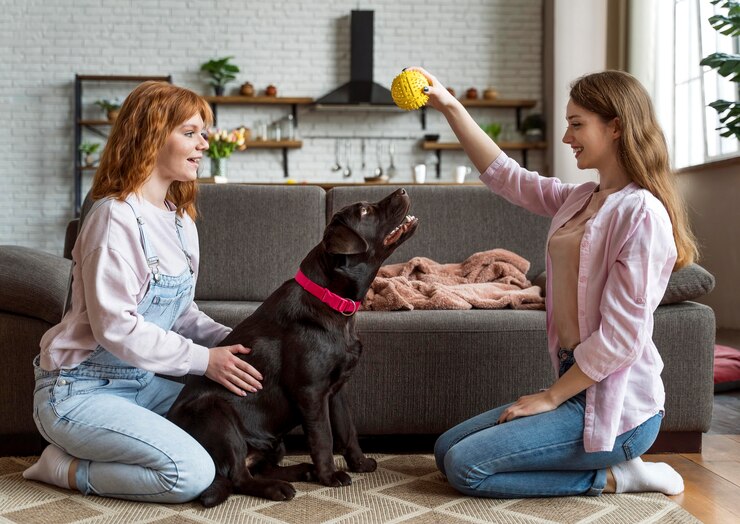
Dog daycare is a great way to ensure your pup gets plenty of socialization, exercise, and fun while you’re away. However, just like any other form of pet care, safety should always be the top priority when choosing a daycare for your dog. In this article, we’ll explore how to keep your pup safe in dog daycare and what factors to consider when selecting the best environment for your furry friend.
1. Choosing the Right Dog Daycare Facility
The first step to ensuring your dog’s safety is selecting a reputable daycare for dogs. Researching different facilities is key to making an informed decision. Look for a daycare that is well-established with experienced staff members who are trained in dog behavior and emergency response. The daycare should be clean, organized, and have proper licensing and insurance to operate in your area.
Visit the daycare beforehand to assess the environment. Make sure the facility has secure fencing to prevent escapes and that the play areas are spacious and free of hazards. The daycare should have clear policies on the number of dogs they accept per day, with appropriate staff-to-dog ratios to ensure proper supervision.
2. Assessing Your Dog’s Suitability for Daycare
Not every dog thrives in a daycare environment. Some dogs may not be comfortable around other dogs or may have special needs that require individual attention. Before enrolling your pup, assess whether they are suited for group play. Consider your dog’s age, temperament, and energy level. Some dogs may benefit more from one-on-one playtime or private walks.
It’s important to inform the daycare staff about your dog’s personality, triggers, and health concerns so they can tailor their care to your dog’s specific needs. This helps prevent any anxiety or potential behavioral issues while at daycare.
3. Vaccinations and Health Requirements
Most dog daycares require proof of up-to-date vaccinations before accepting your dog. This is to protect your pet from contagious diseases, including kennel cough, parvovirus, and distemper. Ensure your dog is vaccinated against these illnesses, and keep track of their vaccination schedule.
In addition to vaccinations, some facilities may require a health check or flea and tick treatment to prevent the spread of parasites. If your dog has any pre-existing health conditions, make sure the daycare staff is aware, and always provide emergency contact information in case of a medical issue.
4. Socialization and Supervision
Socialization is a key aspect of daycare, but safety remains the priority. A good daycare will closely supervise the dogs in their care, ensuring that interactions are positive and controlled. Staff should be trained to handle any signs of aggression, fear, or dominance between dogs and be proactive in separating dogs if tensions arise.
Before allowing your pup to join group play, some daycares conduct behavior assessments to observe how your dog interacts with others. This helps them determine the appropriate group for your dog and ensures that the play environment is safe and enjoyable for everyone involved.
5. Emergency Preparedness
Accidents can happen, no matter how careful you are. It’s important that the daycare has a well-defined emergency plan in place. In the event of an injury, illness, or behavioral issue, the staff should be trained to respond quickly and appropriately. Make sure the facility has access to veterinary care, either on-site or nearby, and that they can contact you in case of an emergency.
Discuss emergency protocols with the daycare staff, including their response to common situations like dog fights, injuries, or unexpected health issues. Understanding their procedures beforehand gives you peace of mind that your dog will be well cared for, even in unexpected circumstances.
6. Monitoring and Communication
Some daycare facilities offer webcams or live feeds so owners can check in on their pets throughout the day. While this can be reassuring, it’s also important to maintain open communication with the staff. Ask about the daycare’s process for providing updates on your dog’s behavior, eating habits, or any incidents that may occur during the day.
Regular communication can help you monitor your pup’s wellbeing and ensure that the daycare is meeting their needs. If there are any concerns or changes in your dog’s behavior, it’s important to address them promptly.
7. Setting Realistic Expectations
Lastly, set realistic expectations for your dog’s experience at daycare. While many dogs love the opportunity to socialize and play with other dogs, others may find the environment overwhelming at first. If this is your dog’s first time at daycare, consider starting with shorter visits to help them acclimate.
By setting realistic expectations, you allow your dog the time they need to adjust and feel comfortable in their new surroundings.
Conclusion
Ensuring your dog’s safety in daycare involves choosing a facility that prioritizes supervision, training, and cleanliness. By assessing your dog’s temperament, staying up to date on vaccinations, and maintaining open communication with the daycare staff, you can help ensure a positive and safe experience for your pup. With the right daycare and proper precautions in place, your dog can enjoy the fun, socialization, and exercise they need, all while staying safe and secure.