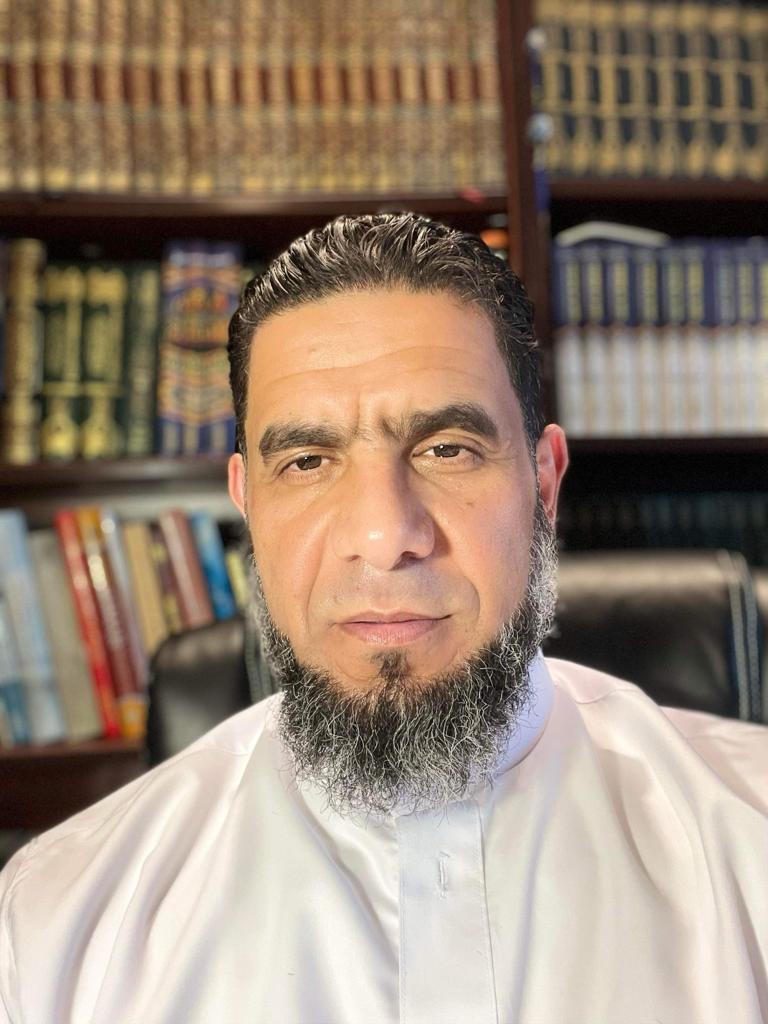
In every community, there are individuals who dedicate their lives to the service of others, driven by a sense of purpose larger than themselves. In the Muslim faith, one such person is the Imam—a spiritual guide, counselor, educator, and leader entrusted with preserving and sharing the teachings of Islam. The life of Waiel Shihadeh, a devoted Imam, reflects the depth, breadth, and heart of this sacred calling.
Being an Imam is not just a title—it is a way of life. It requires humility, resilience, wisdom, and an unshakeable commitment to the wellbeing of both the Muslim community and humanity at large. Waiel Shihadeh exemplifies these values through his decades of tireless service.
A Life Guided by Faith
The foundation of any Imam’s leadership is unwavering devotion to the principles of Islam. An Imam must not only possess deep knowledge of the Qur’an, Hadith, and Islamic jurisprudence, but also apply these teachings in a way that uplifts others and cultivates peace and unity.
For Waiel Shihadeh Shreveport, faith has always been the compass guiding his path. His understanding of the Sunnah of Prophet Muhammad (SAW) is not merely academic—it is practical, compassionate, and tailored to the realities of the modern world. Whether leading daily prayers or speaking on complex matters of life and spirituality, Waiel delivers his message with clarity, warmth, and sincerity.
He believes that the power of Islam lies in its ability to transform lives—when practiced with kindness, justice, and balance.
Leadership in and Beyond the Masjid
Many associate an Imam with prayer leadership alone, but the role extends far beyond the prayer hall. Imams are community anchors. They provide spiritual direction, but also emotional support, crisis intervention, and social guidance.
Waiel Shihadeh embraces the full scope of his responsibilities. Whether he is consoling a grieving family, helping a young person navigate identity struggles, or mediating a family conflict, his work often takes him outside the masjid and into homes, hospitals, schools, and prisons. He understands that spiritual leadership requires accessibility, presence, and a deep connection to the people he serves.
His approach is rooted in genuine care: he listens attentively, counsels wisely, and responds to each situation with the compassion and patience of a true shepherd of faith.
A Champion of Youth and Education
One of the most critical responsibilities of an Imam is to ensure that future generations understand and love their faith. That’s why Waiel Shihadeh places such a strong emphasis on youth mentorship and education.
He leads youth programs, teaches foundational Islamic studies, and frequently hosts open discussions to encourage honest questions about faith, culture, and society. Through these efforts, Waiel is building not only informed Muslims, but confident, compassionate individuals ready to contribute positively to the world around them.
He also believes in empowering youth to lead. By nurturing their voices, he ensures that the future of the Muslim community is dynamic, inclusive, and grounded in truth.
Bridge Building in a Multicultural World
We live in an era where interfaith understanding and social cohesion are more vital than ever. A modern Imam must be a bridge between communities—one who fosters dialogue, mutual respect, and collective service.
Waiel Shihadeh is widely known for his interfaith work and civic engagement. He often participates in community roundtables, collaborates with faith leaders from diverse backgrounds, and speaks at public forums to share the peaceful values of Islam. He believes that Islam calls upon believers to work for the common good, to protect the vulnerable, and to speak out against injustice wherever it occurs.
By engaging with the broader community, Waiel not only dispels misconceptions but also exemplifies the Prophet Muhammad’s (SAW) model of mercy, neighborliness, and moral courage.
A Life of Service, A Legacy of Hope
Ultimately, the story of Waiel Shihadeh as an Imam is one of service. Every day, he chooses to put others first. Every prayer he leads, every family he supports, and every heart he touches adds to a legacy grounded in love, humility, and unwavering faith.
His life reminds us that the work of an Imam isn’t confined to rituals. It’s in the way they uplift, guide, and inspire those around them—Muslim or not. It’s in how they live the message of Islam through action, character, and compassion.
Conclusion
The calling to be an Imam is not one of comfort—it is a path of responsibility, selflessness, and profound impact. In a world where many are searching for meaning and connection, the leadership of individuals like Waiel Shihadeh is more vital than ever.
His story serves as both a reflection and an inspiration: a reminder of what it truly means to serve, to lead with heart, and to live a life shaped by faith, purpose, and hope.