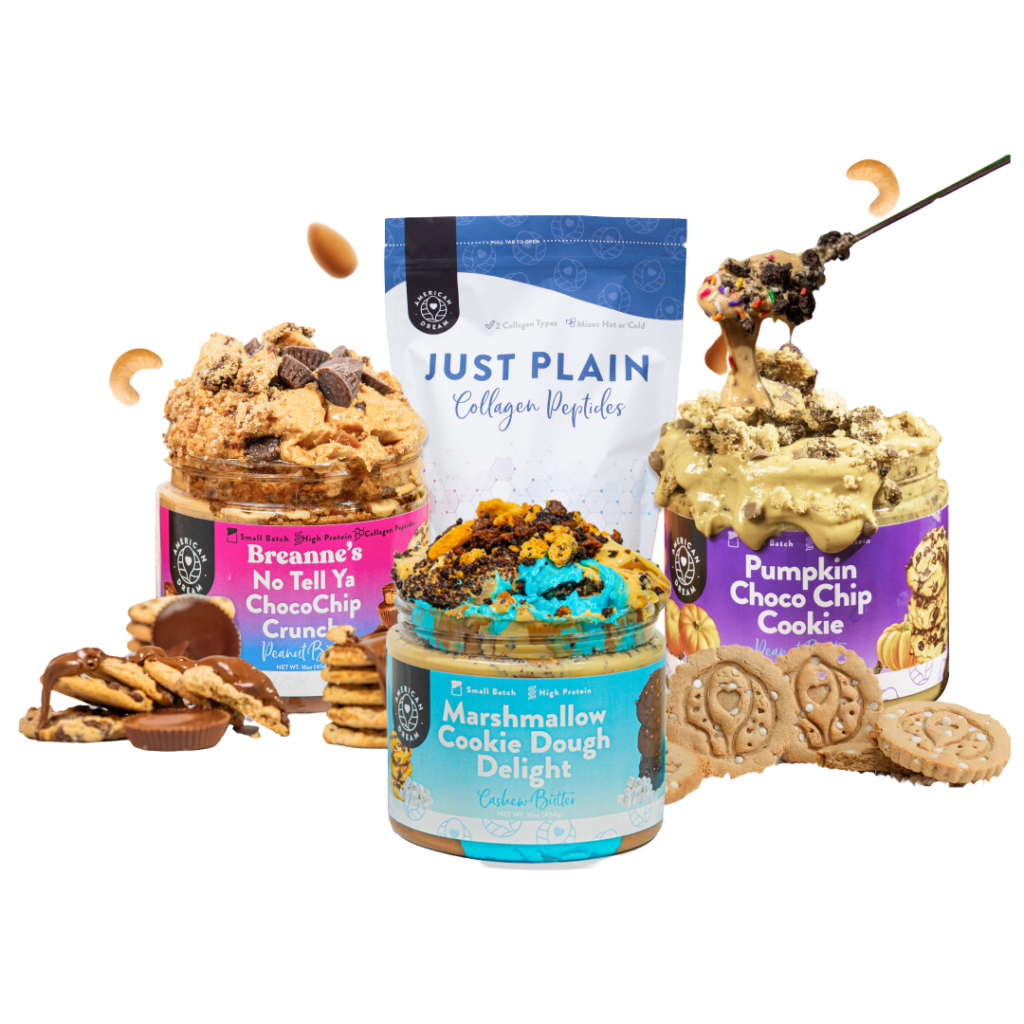
For individuals with peanut allergies, finding safe and nutritious alternatives to traditional peanut butter can be a challenge. Peanut-free nut butters provide an excellent solution, offering a creamy, delicious alternative that is safe for those avoiding peanuts. These spreads are made from other nuts or seeds, providing a wide array of health benefits, diverse flavors, and versatility in cooking. In this article, we’ll explore what peanut-free nut butter is, its benefits, popular varieties, and how to choose the best options. To find more infomation about peanut free nut butters you can also check our website.
What is Peanut-Free Nut Butter?
Peanut-free nut butter refers to spreads made from a variety of nuts or seeds that do not contain peanuts. These alternatives are ideal for individuals with peanut allergies, offering similar textures and flavors without the risk of an allergic reaction. While peanut butter is typically made from roasted peanuts, peanut-free nut butters are made from other ingredients, such as almonds, cashews, sunflower seeds, or hazelnuts. Manufacturers of peanut-free nut butter ensure that these products are made in dedicated facilities or with procedures that prevent cross-contamination with peanuts. Always check product labels for certifications or claims such as “peanut-free” and “allergen-free” to ensure safety.
Why Choose Peanut-Free Nut Butter?
Peanut-free nut butters offer a safe and delicious alternative to traditional peanut butter, especially for those with peanut allergies or sensitivities. But there are several other reasons to choose peanut-free nut butters, even if you don’t have an allergy:
1. Variety of Flavors
Peanut-free nut butters come in a variety of flavors, from classic almond butter to more unique options like sunflower seed butter or cashew butter. These spreads offer diverse flavor profiles that appeal to different tastes, making them a great addition to your pantry.
2. Nutritional Benefits
Peanut-free nut butters provide a wealth of nutritional benefits, including healthy fats, protein, fiber, vitamins, and minerals. Depending on the nut or seed used, these spreads can be rich in heart-healthy monounsaturated fats, essential amino acids, and antioxidants.
3. Safe for School or Group Settings
For parents with children who have peanut allergies, peanut-free nut butter is a perfect substitute for peanut butter in lunchboxes. Many schools and daycare centers restrict peanuts due to the potential for life-threatening allergic reactions, making peanut-free nut butter a safer option for group settings.
Health Benefits of Peanut-Free Nut Butter
Peanut-free nut butters offer a variety of health benefits, depending on the type of nut or seed used. Here are some of the key health benefits:
1. Heart-Healthy Fats
Many peanut-free nut butters, such as almond, cashew, and sunflower seed butter, are packed with unsaturated fats. These healthy fats help lower LDL cholesterol levels and support overall heart health. Studies suggest that replacing saturated fats with unsaturated fats can reduce the risk of cardiovascular disease.
2. Rich in Protein
Nut butters are excellent sources of plant-based protein. Almond, cashew, and hazelnut butters, for example, provide a good amount of protein per serving. Protein is essential for building and repairing tissues, supporting immune function, and keeping you feeling full longer.
3. Packed with Essential Vitamins and Minerals
Peanut-free nut butters are rich in vitamins and minerals like vitamin E, magnesium, potassium, and iron. Vitamin E is a powerful antioxidant that protects your cells from damage, while magnesium and potassium support muscle and nerve function, as well as regulate blood pressure.
4. Supports Digestive Health
Many peanut-free nut butters contain fiber, which promotes healthy digestion and helps maintain regular bowel movements. Fiber also contributes to feelings of fullness, which can assist with weight management.
5. Good for Bone Health
Nuts like almonds, cashews, and hazelnuts are rich in calcium, magnesium, and phosphorus—all of which are important for maintaining strong bones. Including peanut-free nut butters in your diet can support bone density and overall skeletal health.
Popular Varieties of Peanut-Free Nut Butter
There are many peanut-free nut butters on the market, each made from different nuts or seeds. Here are some of the most popular varieties:
1. Almond Butter
Almond butter is one of the most popular peanut-free nut butters and is widely available. It has a smooth, slightly sweet flavor that works well in both sweet and savory dishes. Almond butter is rich in vitamin E, magnesium, and healthy monounsaturated fats, making it a heart-healthy choice.
Best Uses: Spread on toast, blended into smoothies, mixed into oatmeal, or used in baking.
2. Cashew Butter
Cashew butter is creamy and slightly sweet, with a mild flavor that pairs well with both sweet and savory recipes. It’s rich in vitamins, minerals, and antioxidants and provides a good source of protein.
Best Uses: Spread on crackers, stirred into curries, or drizzled over vegetables and salads.
3. Sunflower Seed Butter
Sunflower seed butter is an excellent peanut butter alternative, especially for those with nut allergies. Made from roasted sunflower seeds, this spread is rich in healthy fats and protein, making it a great option for boosting energy and promoting satiety.
Best Uses: Spread on toast or sandwiches, blended into smoothies, or used as a dip for fruits and veggies.
4. Hazelnut Butter
Hazelnut butter has a rich, slightly sweet flavor that is perfect for dessert-inspired recipes. It’s a good source of healthy fats, fiber, and antioxidants, and it pairs well with chocolate for an indulgent treat.
Best Uses: Swirled into oatmeal, drizzled over pancakes, or used in baked goods like cookies and cakes.
5. Pistachio Butter
Pistachio butter has a unique, slightly salty flavor with a creamy texture. It’s packed with healthy fats, fiber, and protein, making it a nutritious addition to your diet.
Best Uses: Spread on toast, blended into smoothies, or used as a dip for raw vegetables.
6. Macadamia Nut Butter
Macadamia nut butter is rich, creamy, and buttery, with a mildly sweet flavor. It contains a high amount of monounsaturated fats, which support heart health, and is also a good source of vitamins and minerals.
Best Uses: Spread on crackers or bread, used in smoothies, or added to savory dishes like sauces and dressings.
How to Choose the Best Peanut-Free Nut Butter
With so many peanut-free nut butters on the market, it’s important to choose the one that fits your taste preferences and dietary needs. Here are some tips for selecting the best peanut-free nut butter:
1. Check the Ingredient List
Look for peanut-free nut butters with minimal ingredients. The best options contain only the nuts or seeds and possibly a bit of salt. Avoid products with added sugars, oils, or artificial additives.
2. Choose Organic or Non-GMO Options
Opt for organic peanut-free nut butters whenever possible. Organic options are made without the use of harmful pesticides or synthetic fertilizers, which means you’re getting a cleaner, more natural product.
3. Consider Your Texture Preference
Peanut-free nut butters come in both creamy and chunky varieties. If you prefer smooth spreads, choose a creamy variety. If you like a bit more texture and crunch, go for the chunky versions.
4. Look for Allergen-Free Certifications
If you have a severe nut allergy or need to avoid certain allergens, look for nut butters that are certified allergen-free. Many brands produce peanut-free nut butters in dedicated facilities to avoid cross-contamination.
Creative Ways to Enjoy Peanut-Free Nut Butter
Peanut-free nut butters are incredibly versatile and can be used in a variety of ways. Here are some creative ideas:
1. Spread on Toast or Crackers
A simple way to enjoy peanut-free nut butter is by spreading it on whole-grain toast or gluten-free crackers. Top with fresh fruit, honey, or granola for added flavor and texture.
2. In Smoothies
Add a spoonful of your favorite peanut-free nut butter to smoothies for extra creaminess and a nutrient boost. It pairs well with fruits like bananas, berries, and apples, as well as leafy greens like spinach.
3. Energy Balls and Bars
Combine peanut-free nut butter with oats, seeds, dried fruit, and sweeteners like honey or maple syrup to make no-bake energy balls or homemade protein bars.
4. In Baking
Use peanut-free nut butter in baked goods like cookies, muffins, and cakes. It can replace butter or oils in many recipes, adding a rich, nutty flavor.
5. Savory Dishes and Sauces
Some peanut-free nut butters, like cashew or almond butter, work well in savory dishes. Use them to create creamy sauces for pasta or stir-fries, or as a base for dressings and dips.
Conclusion
Peanut-free nut butter provides a safe and delicious alternative to peanut butter for those with allergies or sensitivities. With a variety of options to choose from, including almond, cashew, sunflower seed, and hazelnut butters, you can enjoy a wide range of flavors and nutritional benefits. Whether you use it as a spread, in smoothies, or in baking, peanut-free nut butter is a versatile and healthy addition to your diet. When selecting the best peanut-free nut butter, opt for options with clean, simple ingredients, and explore different varieties to find the one that best suits your taste preferences and dietary needs.